

UAE Solar Energy Storage and the Push for Reliable Clean Power
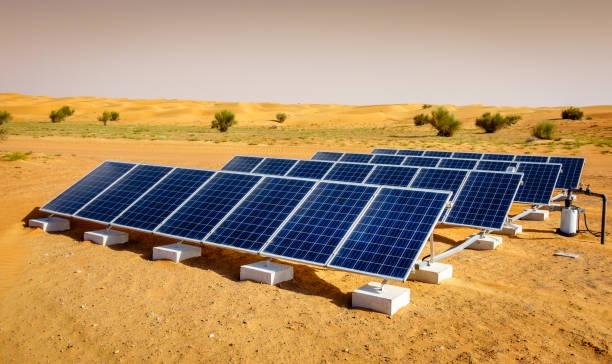
The UAE’s solar energy storage ecosystem is becoming increasingly important as the country expands renewable generation, grid modernization, smart infrastructure, and low-carbon energy planning. Solar energy storage systems help manage the intermittent nature of solar power by storing electricity during high-generation periods and releasing it when demand rises, sunlight declines, or grid balancing support is needed.
According to MarkNtel Advisors, the UAE Solar Energy Storage Market was valued at USD 1.19 billion in 2025 and is projected to grow from USD 1.38 billion in 2026 to USD 3.65 billion by 2032, registering a CAGR of around 17.60% during 2026–2032. The CAGR of around 17.60% reflects large-scale solar deployment, grid flexibility needs, lithium-ion battery adoption, and stronger investment in clean power infrastructure.
Solar Expansion Is Strengthening Storage Demand
The UAE has positioned solar energy as a key part of its long-term power strategy. Large solar parks, rooftop installations, commercial solar projects, and industrial renewable procurement are increasing the need for storage solutions that can improve supply reliability. Without storage, solar generation is limited by daytime availability and weather variation, making batteries essential for smoother integration.
The UAE Energy Strategy 2050 highlights the country’s focus on cleaner energy, supply security, and sustainability. Solar storage supports these goals by helping renewable electricity serve evening demand, peak-load periods, and critical facilities that require more stable energy availability.
Lithium-Ion Batteries Lead Technology Adoption
Lithium-ion batteries represented around 63% share of the UAE solar energy storage landscape in 2026, according to the MarkNtel study. Their leadership is driven by high energy density, declining technology costs, modular design, faster response times, and suitability for both utility-scale and behind-the-meter applications. They are widely used in solar-plus-storage projects, commercial facilities, residential systems, and grid-support applications.
Battery performance is also improving as developers focus on safety, lifecycle management, thermal control, and digital monitoring. The International Energy Agency’s battery storage resources show how battery systems are becoming central to clean power integration globally. In the UAE, lithium-ion systems are likely to remain dominant as project developers seek proven and scalable storage technologies.
Abu Dhabi and Al Ain Hold the Largest Share
Abu Dhabi and Al Ain accounted for around 39% share in 2026, making them the leading regional contributors within the UAE solar energy storage landscape. This leadership is supported by large solar projects, utility-scale renewable procurement, industrial electricity demand, government-backed clean energy planning, and infrastructure development across the emirate.
The Mohammed bin Rashid Al Maktoum Solar Park also reflects the UAE’s wider commitment to large-scale solar deployment. As solar capacity grows across the country, storage systems will become increasingly necessary to manage output variability, improve grid stability, and support higher renewable penetration.
Commercial and Industrial Users Need Energy Flexibility
Commercial and industrial users are expected to remain important adopters of solar energy storage. Warehouses, manufacturing facilities, malls, hotels, logistics hubs, hospitals, data centers, and industrial free zones are using solar-plus-storage systems to improve energy resilience, reduce peak-demand pressure, and support sustainability goals.
Storage can also help facilities manage electricity demand more efficiently by shifting solar power from daytime generation to evening or high-load periods. This is particularly relevant for cooling-intensive buildings in the UAE, where energy consumption can rise significantly during hot weather. The International Renewable Energy Agency’s energy transition work supports the wider role of renewable technologies in building cleaner and more resilient energy systems.
Grid Stability Is Becoming a Strategic Priority
As solar generation grows, grid operators need more flexibility to balance supply and demand. Energy storage can provide fast response, frequency support, ramping control, backup power, and peak shaving. These capabilities are especially useful in systems where renewable output varies throughout the day.
The International Energy Agency’s electricity systems resources emphasize the importance of grid flexibility as electricity demand and renewable generation increase. In the UAE, storage can help utilities and developers reduce curtailment risk, stabilize solar output, and support more efficient use of renewable energy assets.
Outlook for UAE Solar Energy Storage
The UAE solar energy storage sector is expected to expand steadily as solar capacity, clean energy targets, commercial sustainability goals, and grid flexibility requirements grow together. Demand will come from utility-scale projects, industrial users, commercial buildings, and decentralized solar systems.
The long-term direction points toward safer, smarter, and more scalable storage technologies. As the UAE increases solar adoption and modernizes its power infrastructure, solar energy storage will remain essential for improving renewable reliability, supporting peak demand, and strengthening the country’s clean energy transition.
Catégories
Lire la suite
According to a new report from Intel Market Research, the global After Action Review (AAR) Software for Training market was valued at USD 0.85 billion in 2025 and is projected to reach USD 1.78 billion by 2034, growing at a robust CAGR of 8.6% during the forecast period. This growth is propelled by the rising adoption of simulation-based training across military, aviation, healthcare, and...

Building a successful enterprise health application or corporate wellness dashboard requires a massive infrastructure, but keeping that ecosystem alive depends entirely on your weekly media pipeline. Software developers excel at writing clean code, syncing wearable technology metrics, and engineering smooth database queries. However, the real breakdown almost always happens shortly after launch...

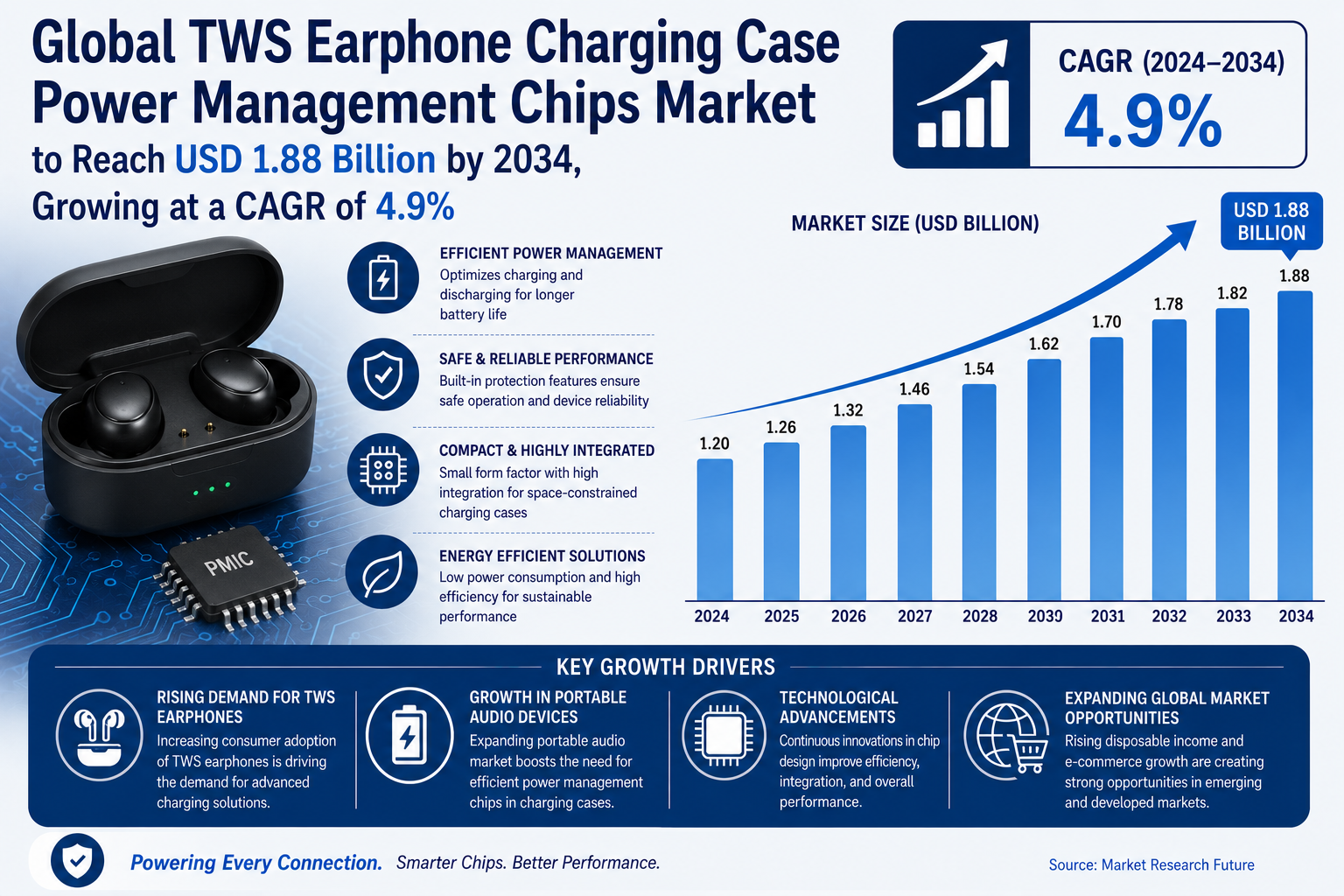
According to a new report from Intel Market Research, the global TWS Earphone Charging Case Power Management Chips market was valued at USD 1,355 million in 2025 and is projected to reach USD 1,878 million by 2034, exhibiting a CAGR of 4.9% during the forecast period. This growth is driven by the accelerating uptake of true‑wireless stereo (TWS) earbuds, increasing consumer expectations for...
Vacuum Chamber Aluminum Alloys Panel Market Insights Global Vacuum Chamber Aluminum Alloys Panel market size was valued at USD 309 million in 2025. The market is projected to reach USD 495 million by 2034, exhibiting a CAGR of 7.1% during the forecast period. A Vacuum Chamber Aluminum Alloys Panel typically refers to high‑purity aluminum alloy sheets or panels employed in the...

Aura World Gurgaon – The Future of Luxury Wellness Living in Sector 79B Contact Now for Early Booking +91-9625882877Auraworldgurgaon.com Introduction – A New Era of Luxury Living in Gurgaon Welcome to Aura World Gurgaon, a groundbreaking residential development redefining modern living with a wellness-focused lifestyle. Positioned in the rapidly developing hub of Sector 79B Gurgaon,...