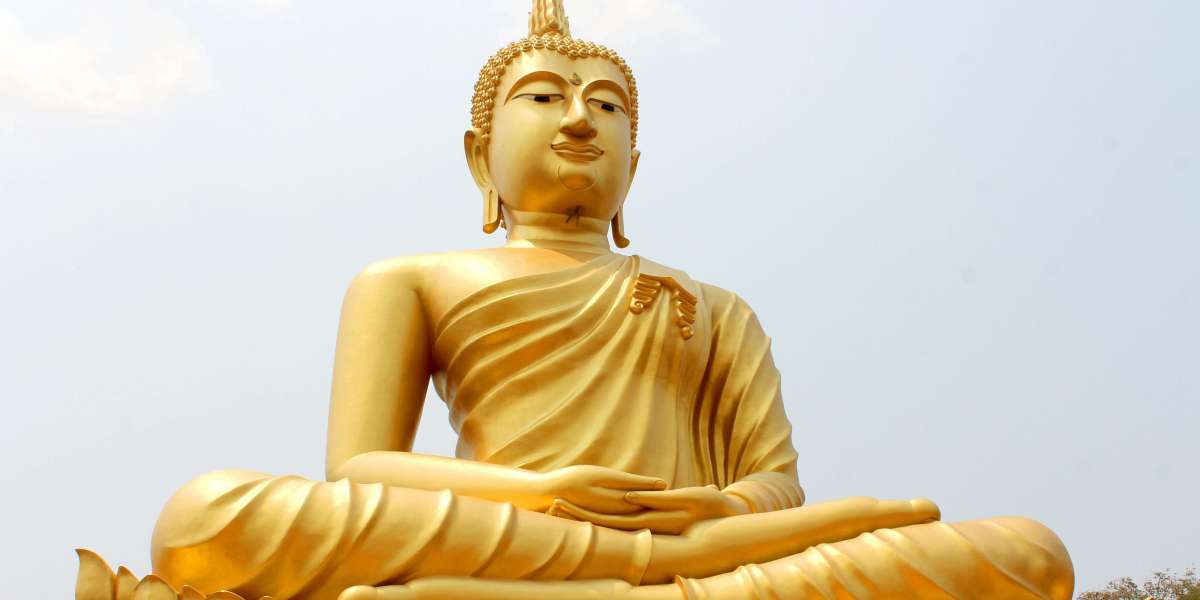

India is a land of spirituality, culture, and heritage, and Buddhism has played a vital role in shaping its identity. Buddhist Monasteries in India are among the most revered destinations for pilgrims, travelers, and seekers of peace. These monasteries are not only centers of worship but also hubs of learning, meditation, and cultural preservation. From the Himalayan regions of Ladakh and Sikkim to the plains of Bihar and Uttar Pradesh, Buddhist monasteries reflect centuries of devotion and architectural brilliance.
? Introduction to Buddhist Monasteries in India
Buddhism originated in India in the 6th century BCE with the teachings of Siddhartha Gautama, the Buddha.
Monasteries, known as Viharas, were established as centers for monks to meditate, study, and teach.
Today, these monasteries attract pilgrims from across the world, offering spiritual retreats and cultural immersion.
They showcase diverse architectural styles, from rock-cut caves to Tibetan-inspired structures.
?️ Why Visit Buddhist Monasteries in India?
Visiting monasteries is more than a religious journey; it is an experience of peace and discovery. Benefits include:
Spiritual Growth: Meditate and connect with Buddha’s teachings.
Cultural Immersion: Witness rituals, chants, and festivals.
Historical Exploration: Explore ancient sites linked to Buddha’s life.
Architectural Marvels: Admire stupas, murals, and sculptures.
Community Bonding: Interact with monks and local devotees.
? Famous Buddhist Monasteries in India
1. Mahabodhi Monastery, Bodh Gaya (Bihar)
Located near the Mahabodhi Temple, where Buddha attained enlightenment.
A UNESCO World Heritage Site.
Pilgrims meditate under the Bodhi Tree and attend teachings by monks.
2. Sarnath Monastery (Uttar Pradesh)
The site of Buddha’s first sermon.
Dhamek Stupa and monasteries attract scholars and pilgrims.
The Archaeological Museum houses Buddhist relics.
3. Tawang Monastery (Arunachal Pradesh)
One of the largest monasteries in India.
Famous for its golden Buddha statue and vibrant festivals.
A hub of Tibetan Buddhist culture.
4. Rumtek Monastery (Sikkim)
Seat of the Karmapa lineage of Tibetan Buddhism.
Known for its grand architecture and sacred relics.
Hosts annual festivals with masked dances.
5. Hemis Monastery (Ladakh)
Famous for the Hemis Festival honoring Guru Padmasambhava.
Houses rare Buddhist artifacts and thangkas.
Surrounded by scenic Himalayan landscapes.
6. Thiksey Monastery (Ladakh)
Resembles the Potala Palace of Lhasa.
Houses a 15-meter-high statue of Maitreya Buddha.
Offers panoramic views of the Indus Valley.
7. Namdroling Monastery (Bylakuppe, Karnataka)
Known as the Golden Temple of South India.
Houses thousands of monks and nuns.
Famous for its golden Buddha statues and Tibetan architecture.
8. Ghoom Monastery (Darjeeling, West Bengal)
One of the oldest monasteries in Darjeeling.
Houses a 15-foot-high statue of Maitreya Buddha.
Known for its rare manuscripts.
9. Tabo Monastery (Spiti Valley, Himachal Pradesh)
Over 1,000 years old, called the “Ajanta of the Himalayas.”
Famous for murals, frescoes, and ancient scriptures.
A UNESCO candidate site for its heritage value.
10. Shanti Stupa (Leh, Ladakh)
Built to promote world peace.
Offers breathtaking views of Leh town.
A popular meditation and tourist spot.
? Quick Guide to Buddhist Monasteries in India
Monastery | Location | Highlights | Best Time to Visit |
Mahabodhi Monastery | Bodh Gaya, Bihar | Bodhi Tree, UNESCO site | Oct–March |
Sarnath Monastery | Uttar Pradesh | Dhamek Stupa, museum | Oct–March |
Tawang Monastery | Arunachal Pradesh | Golden Buddha, festivals | March–Oct |
Rumtek Monastery | Sikkim | Sacred relics, masked dances | March–June |
Hemis Monastery | Ladakh | Hemis Festival, thangkas | June–July |
Thiksey Monastery | Ladakh | Maitreya statue, Indus Valley views | June–Sept |
Namdroling Monastery | Karnataka | Golden Temple, Tibetan culture | Year-round |
Ghoom Monastery | Darjeeling | Maitreya statue, manuscripts | Oct–March |
Tabo Monastery | Spiti Valley | Murals, frescoes | May–Sept |
Shanti Stupa | Leh, Ladakh | Peace monument, views | June–Sept |
? Sample 7-Day Buddhist Monastery Tour Itinerary
Day 1: Arrival in Bodh Gaya – Mahabodhi Monastery, Bodhi Tree meditation.
Day 2: Sarnath – Dhamek Stupa, monastery visits, museum.
Day 3: Fly to Sikkim – Rumtek Monastery, cultural immersion.
Day 4: Ladakh – Hemis Monastery, attend festival.
Day 5: Thiksey Monastery – explore Maitreya statue, meditation.
Day 6: Tawang Monastery – rituals, golden Buddha statue.
Day 7: Tabo Monastery – murals, heritage exploration, departure.
? Tips for Visiting Buddhist Monasteries in India
Dress modestly and respect local customs.
Participate in meditation and prayer sessions.
Carry warm clothing for Himalayan monasteries.
Book accommodations early during festival seasons.
Support local artisans by buying handicrafts.
?️ Best Time to Visit Buddhist Monasteries
Winter (Oct–March): Ideal for Bodh Gaya, Sarnath, and Darjeeling.
Summer (April–June): Perfect for hill monasteries in Sikkim and Himachal.
Monsoon (July–Sept): Lush greenery but avoid heavy rains in plains.
Festival Season: Hemis Festival (June–July), Tawang Festival (Oct), Rumtek masked dances (summer).
✨ Unique Experiences in Buddhist Monasteries
Meditating under the Bodhi Tree in Bodh Gaya.
Watching Cham dances at Hemis and Rumtek.
Exploring murals at Tabo Monastery.
Attending prayer ceremonies in Tawang.
Experiencing Tibetan culture in Namdroling Monastery.
?️ Shopping During Monastery Visits
Prayer wheels and thangkas in Ladakh and Sikkim.
Buddhist statues and souvenirs in Bodh Gaya.
Handcrafted masks used in Cham dances.
Local textiles and jewelry in Arunachal Pradesh.
? Cuisine to Try During Monastery Visits
Thukpa – noodle soup in Ladakh and Sikkim.
Momos – steamed dumplings.
Butter tea – salty tea with yak butter.
Satvik meals in monasteries.
Local sweets like peda in Bihar.
? Accommodation Options
Luxury hotels in Bodh Gaya and Ladakh.
Budget lodges near monasteries.
Eco-lodges in Sikkim and Arunachal Pradesh.
Monastery guesthouses for authentic experiences.
? How to Reach Buddhist Monasteries
By Air: Airports in Patna, Varanasi, Leh, Guwahati, Bagdogra.
By Train: Rail connections to Bodh Gaya, Varanasi, and Darjeeling.
By Road: Highways connect monasteries and towns.
? Why Buddhist Monasteries in India Are Popular
Blend of spirituality, history, and culture.
Affordable compared to international pilgrimages.
Safe and tourist-friendly.
Unique experiences like meditation, masked dances, and heritage walks.
? Conclusion
India’s Buddhist monasteries are not just places of worship; they are living centers of culture, history, and spirituality. From Bodh Gaya’s enlightenment site to Tawang’s majestic monastery, from Rumtek’s sacred relics to Tabo’s ancient murals, each monastery tells a story of devotion and peace. Buddhist Monasteries in India make it easier to explore this sacred journey without the hassle of planning every detail. Whether you are a pilgrim, a history enthusiast,










