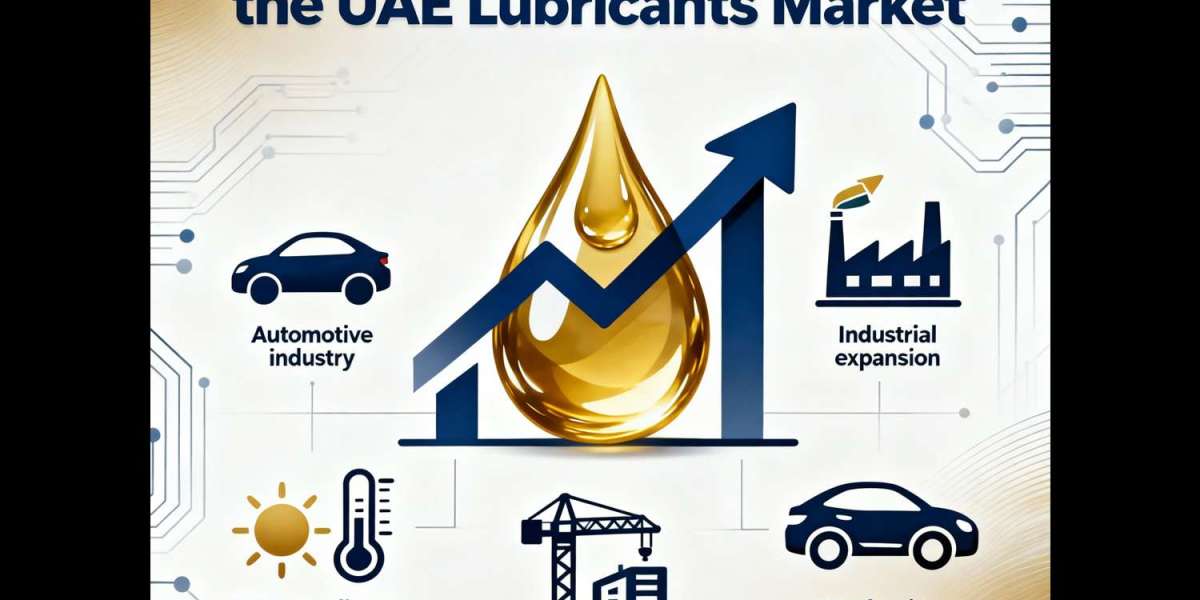

In a country where vehicles, machinery, and industrial systems operate under intense heat and constant use, lubricants rarely get the attention they deserve. Yet they play a quiet, critical role in keeping engines running smoothly and operations efficient. The UAE Lubricants Market reflects this growing reliance, with market size valued at around 161.56 million liters in 2025 and projected to reach 213.8 million liters by 2032. According to MarkNtel Advisors, this growth represents a CAGR of approximately 4.08% during the 2026–2032 forecast period. These figures highlight how automotive demand, industrial expansion, and infrastructure development continue to shape lubricant consumption across the UAE.
What makes it worth examining now is not just scale, but direction. Shifting technologies, regulatory expectations, and changing consumption habits are reshaping how lubricants are produced, sold, and used across the country.
Why Lubricants Matter in the UAE Context
The UAE’s climate sets the tone for lubricant demand. High temperatures, long driving distances, and heavy industrial workloads place extra stress on engines and equipment. Lubricants are not just maintenance products here; they are performance essentials.
Automotive lubricants dominate everyday consumption, driven by a high vehicle ownership rate and strong aftermarket activity. Passenger cars, commercial fleets, and off-road vehicles all rely on oils that can withstand extreme conditions. At the same time, industrial lubricants support construction, manufacturing, power generation, and marine operations sectors that continue to expand as the UAE invests in infrastructure and diversification.
In the UAE Lubricants Market, durability and reliability often outweigh price alone. Buyers look for products that reduce wear, improve fuel efficiency, and extend service intervals. That preference shapes both product development and brand positioning.
Automotive and Industrial Demand Patterns
Automotive demand remains the backbone of the market, particularly in urban centers where vehicle density is highest. Regular oil changes, preventive maintenance, and growing awareness of engine care keep volumes steady. Commercial fleets, including logistics and transport operators, contribute significantly due to high mileage and frequent servicing cycles.
Industrial demand tells a slightly different story. Here, lubricant selection is closely tied to equipment specifications and operational efficiency. Industries such as construction and energy rely on specialized oils and greases designed for heavy loads and continuous operation. Even small performance improvements can translate into meaningful cost savings over time.
As a result, the UAE Lubricants Market balances mass-volume automotive products with more technical, value-driven industrial solutions. This mix gives the market resilience, even when one segment slows temporarily.
The Shift Toward Quality and Compliance
Over the past few years, quality standards have become more prominent. Consumers and businesses are paying closer attention to specifications, certifications, and manufacturer recommendations. This shift is partly driven by rising awareness and partly by regulatory oversight.
Low-quality or counterfeit lubricants can cause long-term damage, especially under harsh operating conditions. As a result, buyers increasingly favor trusted brands and authorized distributors. Workshops and service centers also play a role, guiding customers toward products that meet required standards.
Digital transformation supports this trend. Product information, technical data sheets, and compatibility tools are now easier to access. Technology-driven firms, including those offering digital consulting and platform optimization like Tech Formation, help suppliers present clearer information and streamline supply chain systems. While end users may not see this work directly, it improves consistency and confidence across the market.
Sustainability and Changing Product Preferences
Sustainability is beginning to influence lubricant choices, though at a measured pace. Synthetic and semi-synthetic oils are gaining traction due to longer drain intervals and better performance under stress. These products reduce waste and maintenance frequency, which appeals to both fleet operators and environmentally conscious consumers.
Re-refined oils and eco-friendly formulations are also entering conversations, especially in industrial settings. While adoption is still limited, awareness is growing. Over time, this could shape procurement policies and encourage innovation within the UAE Lubricants Market.
Electric vehicles add another layer of complexity. Although EVs reduce demand for traditional engine oils, they still require lubricants for gear systems, cooling, and auxiliary components. As EV adoption increases, lubricant manufacturers will adapt product portfolios rather than disappear from the equation.
Distribution, Competition, and Market Structure
Distribution channels in the UAE are well developed. Lubricants reach end users through service stations, workshops, distributors, and direct industrial contracts. Strong logistics infrastructure supports timely delivery, even for specialized products.
Competition remains intense. Global brands, regional producers, and local blenders all operate within the same space. Differentiation often comes down to performance claims, technical support, and reliability rather than price alone. For many buyers, consistent supply and responsive service matter just as much as the product itself.
This competitive environment keeps the UAE Lubricants Market dynamic. Suppliers must stay responsive, adapt to regulatory changes, and invest in customer education to maintain relevance.
Key Players Operating in the UAE Lubricants Market
The UAE lubricants market is supported by a mix of national energy companies, regional manufacturers, and specialized lubricant producers. Major players such as The Abu Dhabi National Oil Company (ADNOC) Distribution and Emirates National Oil Company (ENOC) – EPPCO Lubricants play a central role through extensive retail networks and strong brand recognition. Alongside them, manufacturers including Emirates Lube Oil Co. Ltd., Dana Lubricants Factory LLC, Sharjah National Lube Oil Co. (SHARLU), Universal Lubricants Factory LLC, Oscar Lubricants LLC, and Petromin Corporation contribute to market diversity by offering a wide range of automotive and industrial lubricant products. Together, these players strengthen supply reliability, product availability, and quality standards across the UAE.
Looking Ahead
The market’s future points toward steady, measured growth rather than dramatic shifts. Automotive demand will remain strong, supported by population growth and mobility needs. Industrial consumption will follow broader economic activity and infrastructure investment.
At the same time, expectations around quality, transparency, and sustainability will continue to rise. Companies that align products with these expectations and communicate clearly will be best positioned to succeed.
Final Thoughts
The UAE Lubricants Market may not always be visible, but its impact is everywhere from daily commutes to large-scale industrial operations. Understanding its dynamics helps businesses make informed choices and highlights why lubricants remain essential in a demanding environment.
As technology, regulation, and consumer awareness evolve, the market will keep adapting. For those paying attention, it offers a clear lesson: performance, reliability, and informed decision-making never go out of style.










