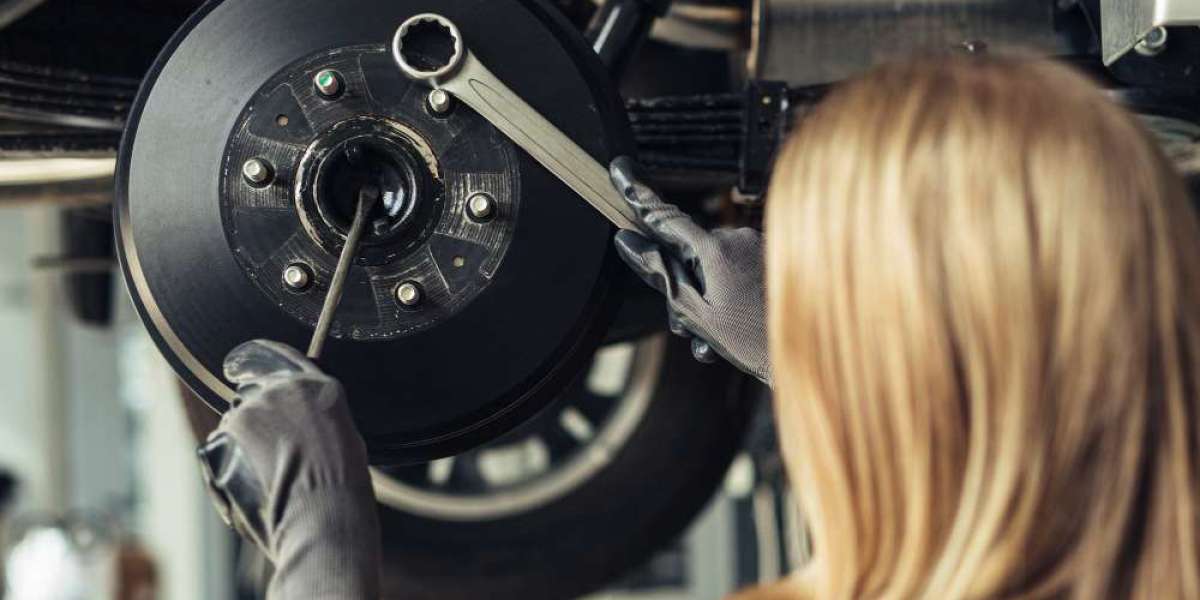

Unusual humming noises, steering instability, or uneven tire wear are problems many drivers experience—but few immediately suspect the wheel hub area. In most cases, these symptoms point to a failing hub bearing. This critical component supports the wheel assembly while allowing smooth rotation. When it begins to wear, it affects vehicle safety, comfort, and handling, making early detection and replacement essential.
How a Hub Bearing Impacts Vehicle Safety
A hub bearing plays a vital role in keeping the wheel securely attached while enabling it to rotate freely with minimal friction. It supports vehicle weight, absorbs road shock, and maintains proper wheel alignment. When the bearing wears out, it compromises steering accuracy and braking performance, increasing the risk of accidents—especially at high speeds or during sharp turns.
Common Warning Signs of Hub Bearing Failure
One of the earliest signs of hub bearing wear is a grinding or humming noise that increases with speed. Other symptoms include wheel vibration, loose steering, ABS warning lights, and uneven tire wear. Ignoring these signals can result in wheel misalignment or, in severe cases, wheel detachment.
Replacing the hub bearing at the first sign of trouble helps avoid costly suspension or brake system damage.
Excessive Friction and Heat Accelerate Wear
Low-quality or worn hub bearings generate excessive friction, which leads to heat buildup and accelerated wear. Heat weakens lubrication and damages bearing surfaces, causing rapid deterioration. A high-quality hub bearing is engineered to maintain smooth rotation and thermal stability under continuous load, ensuring consistent performance even in demanding driving conditions.
Reduced friction not only improves ride comfort but also extends the life of connected components such as brake rotors, axles, and suspension parts.
Why Choosing the Right Hub Bearing Matters
Not all hub bearings are built to the same standards. Using an incorrect or inferior bearing can lead to improper fitment, uneven load distribution, and premature failure. Selecting a durable hub bearing ensures correct alignment, reliable load support, and long-term performance.
Proper bearing selection also improves fuel efficiency by reducing rolling resistance and ensures quieter, smoother driving.
Designed for Load Strength and Durability
Hub bearings must withstand constant radial and axial loads while exposed to harsh road conditions, including moisture, dust, and temperature changes. Quality hub bearings are manufactured using hardened steel, precision-machined raceways, and robust sealing systems to prevent contamination.
This durable construction supports long service life and minimizes maintenance needs, even under heavy driving conditions.
Applications Where Hub Bearings Are Critical
Hub bearings are essential components in passenger vehicles, SUVs, trucks, and commercial vehicles. They are especially important in front-wheel and all-wheel drive systems, where they handle both driving and steering forces. Reliable hub bearings ensure stable wheel rotation, consistent braking response, and predictable handling across various road surfaces.
Prevent Costly Repairs and Safety Risks
Ignoring hub bearing issues can quickly escalate into major mechanical problems and safety hazards. A quality hub bearing restores smooth wheel rotation, improves handling, and protects surrounding components from damage. Investing in the right bearing at the right time reduces repair costs, enhances driving comfort, and keeps your vehicle safe on the road.