Selecting the right hydraulic power pack is one of the most important decisions when designing or upgrading industrial machinery. A properly selected hydraulic power pack ensures smooth performance, better energy efficiency, reduced downtime, and long-term reliability. On the other hand, choosing the wrong unit can lead to frequent breakdowns, overheating, increased maintenance costs, and poor machine output.
In this detailed guide, we will help you understand how to choose the right hydraulic power pack for your machine, step by step.
What Is a Hydraulic Power Pack?
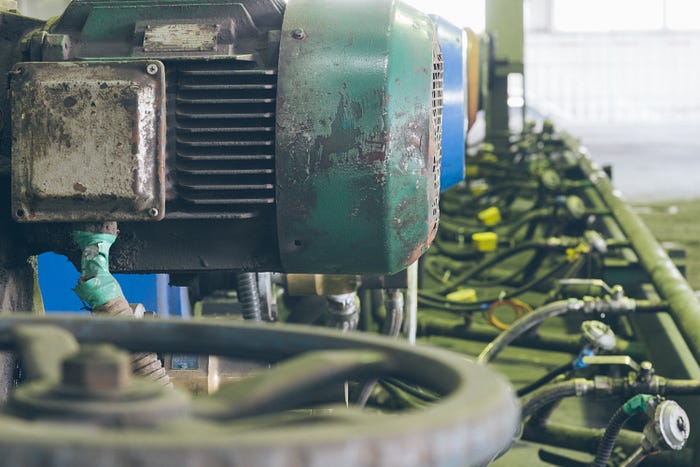
A hydraulic power pack is a self-contained unit that consists of a motor, hydraulic pump, reservoir tank, valves, filters, and other essential components. It generates and controls hydraulic power to operate machinery such as presses, lifts, injection molding machines, construction equipment, and industrial automation systems.
The performance of your entire system depends heavily on selecting the correct hydraulic power pack configuration.
1. Understand Your Machine’s Power Requirements
The first step in choosing the right hydraulic power pack is identifying your machine’s technical requirements.
You must determine:
- Required flow rate (LPM or GPM)
- Required operating pressure (bar or PSI)
- Type of hydraulic actuator (cylinder or motor)
- Duty cycle (continuous or intermittent operation)
If the hydraulic power pack delivers less flow or pressure than required, your machine will operate slowly or inefficiently. If it delivers more than needed, you may waste energy and increase operational costs.
Always calculate load demand accurately before selecting a hydraulic power pack.
2. Choose the Right Pump Type
The hydraulic pump is the heart of any hydraulic power pack. Selecting the correct pump type is essential for performance and durability.
Common pump types include:
- Gear pumps — Suitable for simple, low to medium pressure applications
- Vane pumps — Ideal for smooth and quiet operations
- Piston pumps — Best for high-pressure and heavy-duty applications
Each pump type has its own advantages. If your application requires high precision and heavy load handling, a piston pump hydraulic power pack may be the better option.
Choosing the wrong pump can reduce system efficiency and increase maintenance costs.
3. Select the Correct Motor Capacity
The electric motor drives the hydraulic pump. Its capacity must match the required pressure and flow output.
An undersized motor may overheat and fail prematurely. An oversized motor may increase electricity consumption unnecessarily.
Always check:
- Voltage availability
- Power rating (kW or HP)
- Operating environment
Matching motor capacity correctly ensures smooth operation of your hydraulic power pack and prevents unexpected breakdowns.
4. Consider Reservoir Tank Size
The reservoir tank stores hydraulic oil and helps maintain proper temperature and filtration.
A properly sized tank:
- Prevents overheating
- Allows air bubbles to escape
- Maintains oil cleanliness
- Supports better heat dissipation
As a general rule, the tank capacity should be 2–3 times the pump flow rate per minute. However, this depends on application type and working conditions.
A poorly sized reservoir can negatively impact the performance of your hydraulic power pack.
5. Evaluate Operating Environment
The working environment plays a crucial role in selecting the right hydraulic power pack.
Ask yourself:
- Will the system operate in high temperatures?
- Is the location dusty or humid?
- Is the machine used indoors or outdoors?
- Is space limited?
For high-temperature environments, you may need additional cooling systems like oil coolers. In dusty areas, better filtration systems are necessary.
A hydraulic power pack designed for the wrong environment may fail prematurely.
6. Focus on Energy Efficiency
Energy efficiency is becoming increasingly important in industrial operations. A well-designed hydraulic power pack can significantly reduce power consumption.
Look for:
- Variable displacement pumps
- Energy-efficient motors
- Load-sensing systems
- Proper pressure control valves
Energy-efficient hydraulic power packs reduce electricity bills and improve overall sustainability.
7. Ensure Proper Cooling System
Heat is one of the biggest enemies of hydraulic systems. Excess heat can damage seals, degrade oil quality, and reduce component life.
Depending on your application, you may need:
- Air-cooled systems
- Water-cooled heat exchangers
- Larger oil reservoirs
Selecting the right cooling mechanism ensures your hydraulic power pack operates within safe temperature limits.
8. Check Component Quality
The reliability of a hydraulic power pack depends on the quality of its components. Always ensure that pumps, valves, motors, seals, and filters are from trusted manufacturers.
Low-quality components may reduce initial cost but increase long-term maintenance expenses.
A high-quality hydraulic power pack may cost slightly more upfront but delivers better durability and performance.
9. Custom vs Standard Hydraulic Power Pack
Standard hydraulic power packs are suitable for general industrial applications. However, some machines require custom-built systems.
You may need a custom hydraulic power pack if:
- Your machine has space constraints
- Special pressure or flow requirements exist
- Unique control systems are needed
- Industry-specific compliance is required
Custom hydraulic power packs ensure perfect compatibility with your machinery.
10. Safety Features Matter
Safety should never be overlooked when choosing a hydraulic power pack.
Important safety components include:
- Pressure relief valves
- Emergency shut-off systems
- Proper insulation and grounding
- Overload protection
A safe hydraulic power pack protects both equipment and operators.
11. Maintenance and Serviceability
Easy maintenance reduces downtime and improves productivity.
Choose a hydraulic power pack with:
- Easy access to filters and valves
- Clear maintenance guidelines
- Readily available spare parts
- Service support from manufacturer
Before purchasing, check after-sales service availability. A reliable supplier can make a huge difference in long-term performance.
12. Budget vs Long-Term Value
While budget is important, never choose a hydraulic power pack based only on price.
A cheaper system may lead to:
- Frequent repairs
- Higher energy costs
- Production delays
- Shorter lifespan
Instead, focus on long-term value, efficiency, and durability.
Final Thoughts
Choosing the right hydraulic power pack for your machine requires careful evaluation of technical requirements, operating conditions, energy efficiency, and component quality. By understanding your machine’s pressure, flow, and duty cycle needs, you can select a hydraulic power pack that enhances productivity and reduces operational costs.
Investing in the correct hydraulic power pack not only improves machine performance but also ensures safety, reliability, and long-term savings.
If you are unsure about specifications, always consult a hydraulic expert to design a solution tailored to your application. The right decision today can prevent costly issues tomorrow.