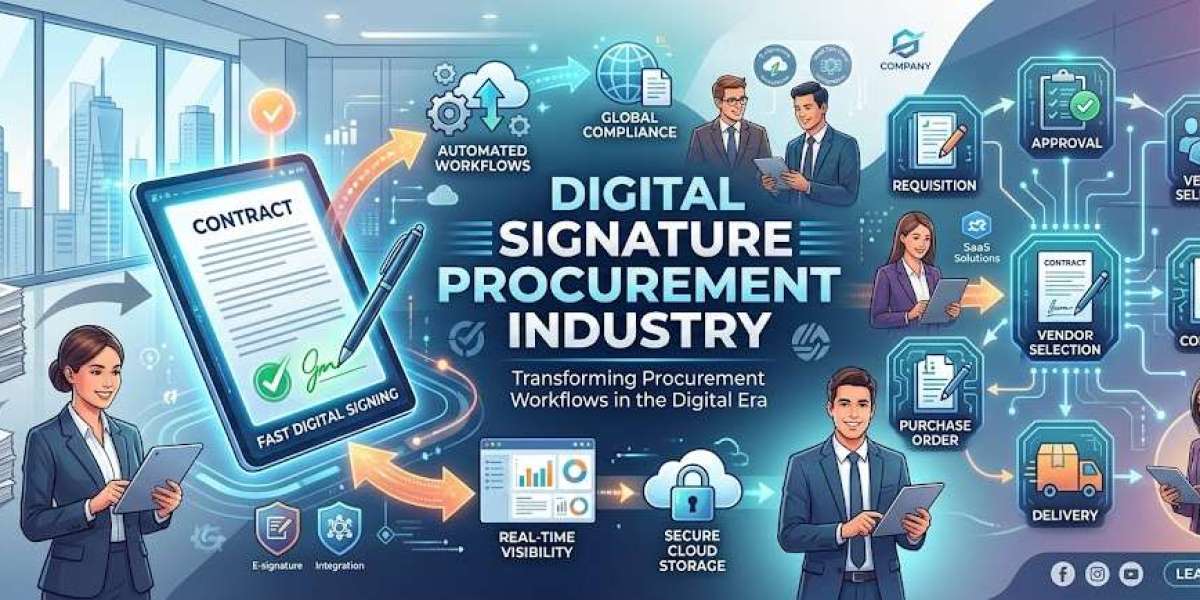

In today’s competitive business environment, procurement teams face increasing pressure to operate efficiently, reduce costs, and maintain robust compliance and security standards. Traditional procurement processes—filled with stacks of paperwork, manual approvals, and delays—are no longer sustainable. This is where the Digital Signature Procurement Industry comes into play, offering a modern, secure, and streamlined way to handle procurement documents. By adopting digital signatures and electronic signature solutions, organizations can automate key processes and improve overall productivity.
What Is a Digital Signature and Why Does It Matter in Procurement?
A digital signature is a secure and encrypted method of signing documents electronically. It goes beyond a simple visual signature or typed name by using cryptographic techniques to verify the identity of the signer and ensure that the document has not been altered after signing. Digital signatures provide legal validity and a tamper-proof record of every action taken on a document.
In the procurement industry—where contracts, purchase orders, supplier agreements, and approvals are part of everyday tasks—digital signatures help eliminate the inefficiencies of manual paperwork and make every step traceable and compliant.
Digital Signatures vs Electronic Signatures: What’s the Difference?
While both digital signatures and electronic signature technology help companies sign documents electronically, they differ in security and use cases:
- Electronic signature refers to any electronic method of signing a document, such as clicking “I agree” or typing a name. It is often used for simple approvals and internal processes.
- Digital signatures use encryption and verification methods to ensure authenticity, integrity, and non-repudiation of a document. This makes them more suitable for high-risk, high-value procurement contracts and legally binding agreements.
Both technologies have a place in procurement workflows, but digital signatures offer stronger security and compliance guarantees—making them ideal for contracts and agreements that require auditability and legal enforceability.
How Digital Signatures Elevate Procurement Processes
1. Faster Contract Approvals
Procurement processes often involve multiple stakeholders and sequential approvals. With digital signature tools, teams can send documents instantly to internal and external parties, enabling faster contract execution and significantly reducing turnaround times.
2. Automated Document Routing
Gone are the days of manually tracking down signatures or emailing documents back and forth. Modern platforms allow procurement teams to set up automated routing rules that ensure documents move smoothly through the right people in the final approval sequence—without manual intervention.
3. Centralized Document Management
With an electronic signature system, all procurement documents are stored securely in one central location. This means no more sifting through inboxes or filing cabinets—teams can easily search, filter, and retrieve contracts and purchase orders whenever needed.
4. Real-Time Tracking and Notifications
Digital signature platforms provide visibility into the status of every document. Procurement managers can see who has viewed or signed a document and receive alerts when something is pending, ensuring actions are taken promptly.
5. Strong Security and Compliance
Security is critical in procurement due to the sensitivity of contracts and supplier data. Digital signatures use strong encryption methods to protect documents and provide indisputable evidence of signing history, meeting legal and industry compliance requirements.
6. Cost Savings and Efficiency
By eliminating printing, scanning, and physical storage, procurement teams save on both time and operational costs. Electronic documents are easier to manage and process, allowing staff to focus on strategic tasks rather than administrative work.
Real-World Use Cases in the Procurement Industry
Digital signatures play a key role in many procurement-related tasks, including:
- Supplier contracts and agreements
- Purchase orders and vendor confirmations
- Service-level agreements (SLAs)
- Internal approvals and compliance checks
- Tender and bidding document sign-offs
By digitizing these workflows, organizations can close deals faster, reduce risk, and ensure consistency across the procurement lifecycle.
The Role of Electronic Signatures in Procurement
While digital signatures are ideal for secure and high-stakes contracts, electronic signature solutions are useful in day-to-day operations and lower-risk approvals. These systems allow teams to sign forms or internal documents quickly and easily, supporting a fully digital procurement environment. Together, electronic signatures and digital signatures create a complete, efficient, and adaptable workflow for procurement teams of all sizes.
Choosing the Right Digital Signature Platform
When selecting a digital signature solution for procurement, organizations should look for platforms that offer:
- Strong encryption and legal compliance
- Automated workflow capabilities
- Device-independent signing (desktop, tablet, mobile)
- Centralized document storage and tracking
- Clear audit trails for accountability
Tools like EazeeSign are designed to empower procurement teams by providing a secure, easy-to-use digital signature platform that accelerates processes while safeguarding data and compliance.
The Future of Digital Signature in Procurement
The shift to digital transformation in procurement is not just a trend—it’s a business imperative. As supply chains become more complex and digital-first business models become the norm, organizations that adopt robust digital signature solutions will gain a competitive edge. They can negotiate contracts faster, maintain better compliance, and improve supplier relationships—all while reducing risk and operational overhead.
Conclusion
The Digital Signature Procurement Industry is rapidly redefining the future of procurement operations. By leveraging digital signatures and electronic signature technologies, procurement teams can streamline workflows, enhance security, and dramatically improve efficiency. Whether it’s speeding up contract approvals or managing supplier documents more effectively, digital signatures are a cornerstone of a modern, agile procurement strategy.