
A large residential move is rarely just about packing boxes and loading a truck. It involves heavy lifting, tight spaces, fragile items, and a lot of coordination between people.
Without proper planning, even a well-organized move can quickly turn into injuries, damaged belongings, or unnecessary delays.
A risk assessment before large residential moves helps you identify what could go wrong before the actual moving day. It allows you to fix safety issues in advance and make the entire relocation smoother, safer, and more controlled.
Professional movers usually follow a simple but effective method called the TILE framework (Task, Individual, Load, Environment) to break down risks step by step.
Why Risk Assessment Is So Important for Big Home Moves
Large household relocations come with more challenges than standard moves because of:
- heavy furniture like sofas, beds, and appliances
- narrow staircases and doorways
- fragile items like glass, mirrors, and artwork
- multiple people handling items at the same time
- changing conditions like weather or parking access
If these risks are not checked in advance, it can lead to:
- back injuries or accidents
- scratches on floors, walls, or furniture
- broken or lost items
- delays on moving day
- higher unexpected costs
A proper risk check helps avoid most of these problems before they even happen.
The TILE Method: A Simple Way to Assess Moving Risks
The TILE system helps break down moving risks into four clear areas:
- Task – what work needs to be done
- Individual – who is doing the work
- Load – what items are being moved
- Environment – where the move is happening
This method is widely used because it covers every possible safety angle in a structured way.
Environment Check (Home, Access, and Surroundings)
The first step is to carefully look at both the old and new property.
Inside the Home
Pay attention to:
- cluttered walkways
- loose rugs or slippery floors
- poor lighting in hallways
- narrow or steep staircases
These are some of the most common causes of trips and falls during a move.
Doorways and Tight Spaces
Measure carefully:
- door widths
- hallway turns
- staircase corners
This helps avoid situations where furniture gets stuck or damages walls.
Outside the Property
Also check:
- weather conditions (rain, heat, wind)
- parking availability for the moving truck
- driveway access
- overhead obstacles like trees or cables
Protecting Floors
Different surfaces need different protection:
- hardwood floors need padding
- tile floors need anti-slip covers
- carpets need heavy protection from weight damage
For example, professional services like Packing and Unpacking Services in Norwalk CT help ensure that both belongings and property surfaces stay protected during handling and setup.
Load Assessment (What You Are Moving)
Every item in the house should be evaluated before moving day.
Heavy or Difficult Items
These include:
- refrigerators
- wardrobes
- sofas
- washing machines
- large cabinets
These items often require tools like:
- dollies
- straps
- ramps
Fragile or Valuable Items
Extra care is needed for:
- mirrors
- glass furniture
- artwork
- antiques
These may need special packing or custom protection.
Smart Packing Approach
A simple rule used by professionals:
- heavy items go in small boxes
- light items go in larger boxes
- fragile items are individually wrapped
For longer routes, such as Long Distance Moving Services in Wilton CT, proper packing becomes even more important to reduce damage during travel.
People Involved (Individual Safety)
The people doing the lifting and carrying also need to be considered carefully.
Physical Ability Matters
Not everyone is suited for heavy lifting. It’s important to check:
- strength and stamina
- experience with moving heavy objects
- comfort with physical work
For difficult moves, hiring trained professionals is often the safer choice.
Proper Clothing
Simple safety steps include:
- wearing closed shoes with grip
- avoiding loose clothing
- using gloves for better handling
Avoiding Exhaustion
Long moves can be tiring, so:
- take regular breaks
- stay hydrated
- avoid rushing heavy lifts
Keeping Children and Pets Safe
- keep kids away from moving areas
- place pets in a separate safe room
- reduce crowding around stairs and doors
Task Planning (How the Move Is Done)
This step focuses on how the actual work is performed.
Safe Lifting Techniques
Good lifting habits include:
- keeping objects close to the body
- bending knees instead of the back
- avoiding twisting while carrying weight
- lifting slowly and in control
Communication During the Move
Clear communication prevents accidents:
- assign roles to each person
- use simple voice instructions
- coordinate movements in tight spaces
Loading the Truck Safely
Inside the truck:
- secure everything tightly
- use straps to prevent movement
- balance heavy and light items properly
For long interstate moves such as Long distance moving from Connecticut to south Carolina, proper loading becomes even more important due to long travel time and road movement.
Common Risks During Large Residential Moves
Even with preparation, some risks are common:
- back injuries from lifting incorrectly
- damage to walls and furniture
- slipping on stairs or wet surfaces
- broken fragile items
- delays due to poor coordination
Most of these problems can be reduced with proper risk assessment.
How Professional Movers Help Reduce Risk
Professional moving teams usually:
- inspect homes before moving day
- plan safe lifting and loading strategies
- use protective materials for furniture
- bring proper moving equipment
- follow structured safety procedures
This reduces stress and makes the entire process safer and faster.
Why Professional Support Makes a Difference
Large moves are much easier when handled by experienced movers. A trained team can manage:
- heavy lifting safely
- tight spaces without damage
- organized loading and unloading
- time-efficient relocation
Trusted Moving Support You Can Rely On
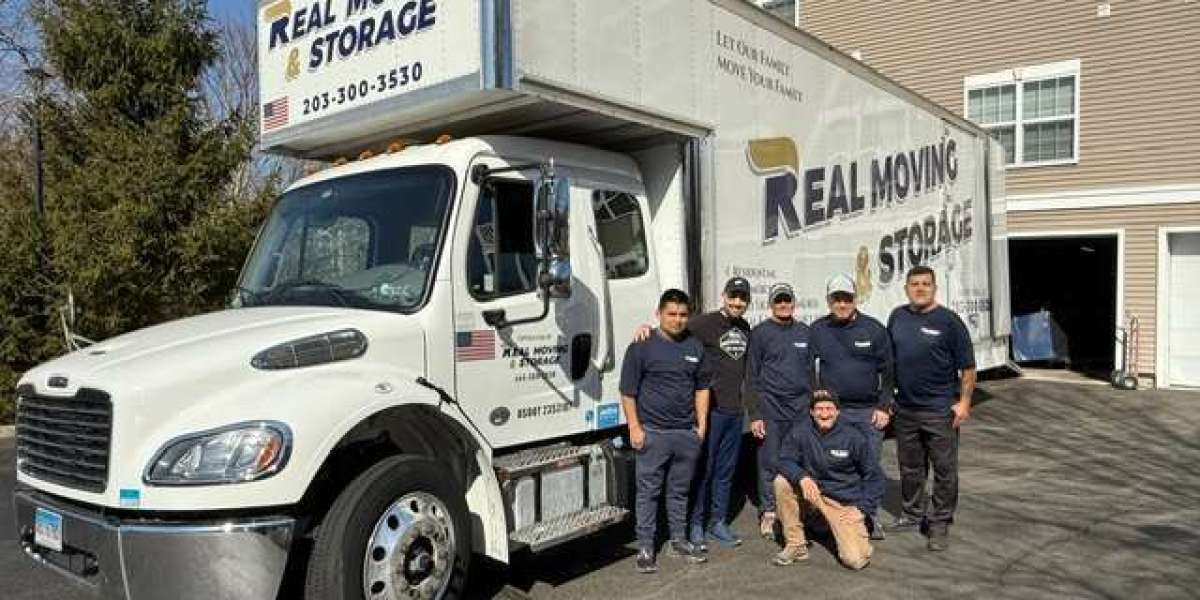
Real Moving & Storage has earned a trusted reputation for reliability, personalized service, and unwavering commitment to customer satisfaction. Established in 2006 by Lucas Pinto—an industry veteran with over 25 years of hands-on experience—we proudly serve Fairfield, CT, and surrounding communities with excellence in every move.
Their services include residential relocation support, including Moving in Fairfield CT and Moving in Westport CT, along with full moving assistance designed to reduce stress and ensure safe handling of belongings from start to finish.
Benefits of Doing a Proper Risk Assessment
A simple risk check before moving can help you:
- avoid injuries
- protect furniture and property
- reduce last-minute stress
- improve coordination
- save time on moving day