
Introduction
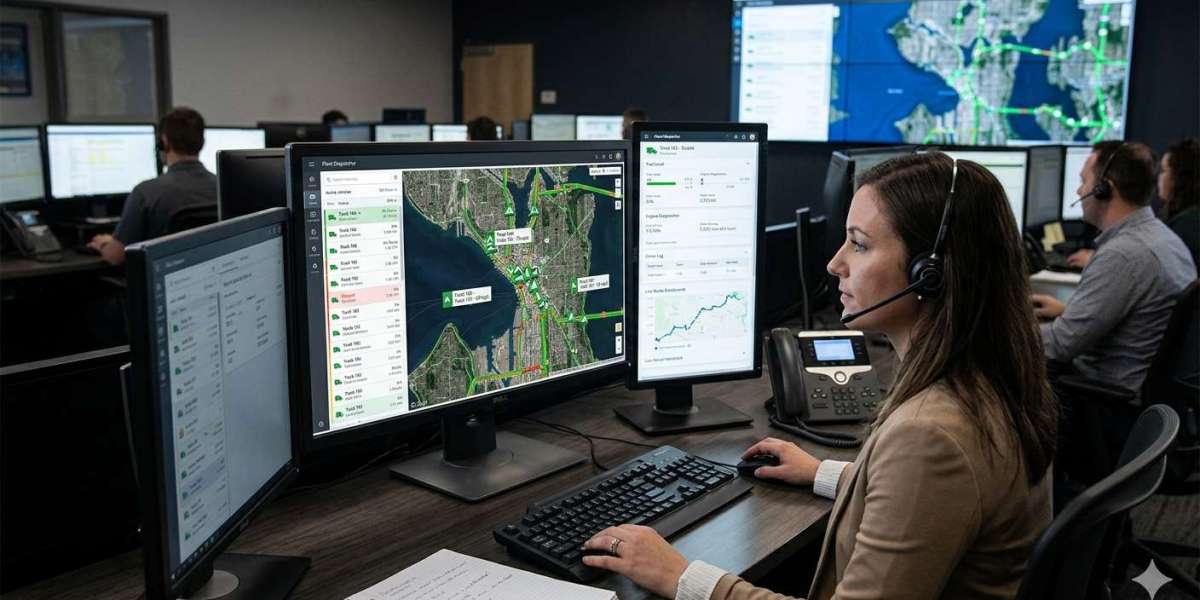
In today's fast-paced business environment, managing a fleet efficiently has become a priority for organizations across industries. Whether a company operates delivery vans, service vehicles, logistics trucks, or employee transportation fleets, maintaining visibility and control over vehicles is essential. A vehicle tracking system helps businesses monitor vehicle locations, optimize routes, improve driver accountability, and streamline daily operations. By leveraging real-time tracking technology, businesses can make informed decisions, enhance productivity, and ensure greater operational transparency. As competition continues to grow, implementing advanced fleet monitoring tools has become a strategic step toward achieving long-term business success.
Understanding Vehicle Tracking Systems
A vehicle tracking system is a technology-driven solution that uses GPS and telematics to monitor and manage vehicles in real time. It enables fleet managers to track vehicle movements, view route histories, analyze driving behavior, and receive important alerts related to fleet activities.
Modern tracking systems provide valuable data that helps organizations improve fleet performance, enhance customer service, and ensure compliance with operational standards. Businesses of all sizes can benefit from the increased visibility and control offered by these solutions.
Improved Fleet Visibility and Real-Time Monitoring
One of the most significant advantages of a vehicle tracking system is the ability to monitor vehicles in real time. Fleet managers can instantly access the location of every vehicle and track their movements throughout the day.
This enhanced visibility helps businesses:
- Monitor vehicle utilization
- Identify route deviations
- Track delivery progress
- Improve dispatch operations
- Respond quickly to unexpected situations
Real-time monitoring allows organizations to make informed decisions and improve overall fleet coordination, resulting in smoother daily operations.
Enhanced Operational Efficiency
Efficiency is crucial for businesses that rely on transportation and logistics. A vehicle tracking system provides detailed insights into fleet activities, helping managers identify inefficiencies and optimize operations.
With access to accurate vehicle data, businesses can:
- Reduce unnecessary travel
- Improve route planning
- Minimize idle time
- Enhance scheduling accuracy
- Increase fleet productivity
By streamlining operations, organizations can allocate resources more effectively and improve service delivery standards.
Better Driver Accountability and Performance
Driver behavior directly impacts fleet performance, safety, and operational effectiveness. Vehicle tracking technology provides detailed information about driving habits, allowing businesses to monitor and improve driver performance.
Fleet managers can analyze:
- Speeding incidents
- Harsh braking events
- Rapid acceleration
- Excessive idling
- Route compliance
This information helps create a culture of accountability and encourages safer driving practices. Improved driver behavior can contribute to better vehicle maintenance, enhanced safety standards, and more efficient fleet operations.
Increased Vehicle Security
Vehicle theft and unauthorized usage can create significant challenges for businesses. A vehicle tracking system enhances fleet security by providing continuous monitoring and instant alerts.
Security-related benefits include:
- Real-time location tracking
- Unauthorized movement notifications
- Geofencing alerts
- Vehicle recovery support
- Improved asset protection
Businesses can quickly respond to suspicious activities and reduce the risks associated with vehicle misuse or theft.
Improved Customer Service
Customer satisfaction often depends on timely deliveries and accurate service updates. Vehicle tracking systems help businesses provide better customer experiences by offering greater visibility into fleet operations.
Organizations can:
- Provide accurate delivery estimates
- Improve communication with customers
- Reduce delays
- Respond quickly to service requests
- Enhance service reliability
Customers appreciate transparency and timely updates, making tracking technology a valuable tool for strengthening customer relationships.
Regulatory Compliance and Reporting
Many industries require businesses to maintain accurate records of vehicle usage and operational activities. A vehicle tracking system simplifies compliance by automatically collecting and storing relevant data.
Businesses can generate reports related to:
- Vehicle routes
- Driver activities
- Travel history
- Fleet utilization
- Operational performance
Automated reporting reduces administrative workloads and helps organizations maintain accurate documentation for regulatory purposes.
Data-Driven Decision Making
Modern businesses rely on data to make strategic decisions. Vehicle tracking systems provide comprehensive insights into fleet performance through detailed analytics and reporting tools.
Fleet managers can evaluate:
- Vehicle utilization rates
- Route efficiency
- Driver performance trends
- Fleet productivity
- Service performance metrics
Access to reliable data enables organizations to identify improvement opportunities and implement more effective operational strategies.
Vehicle Tracking Equipment
Vehicle tracking equipment forms the foundation of an effective fleet monitoring system. These devices are installed within vehicles and collect essential operational data that is transmitted to fleet management platforms.
Common types of vehicle tracking equipment include:
- GPS tracking devices
- Telematics units
- Vehicle sensors
- Communication modules
- Diagnostic monitoring devices
The quality and capabilities of tracking equipment directly influence the accuracy and reliability of fleet data. Advanced equipment enables businesses to gain deeper insights into vehicle performance, location accuracy, and operational efficiency.
Organizations that invest in reliable vehicle tracking equipment can benefit from enhanced monitoring capabilities, improved fleet visibility, and more accurate reporting.
Vehicle Tracking Solutions
Vehicle tracking solutions encompass the software platforms, analytics tools, and monitoring technologies that help businesses manage their fleets effectively.
These solutions typically offer features such as:
- Real-time vehicle tracking
- Route optimization
- Driver behavior monitoring
- Fleet analytics
- Geofencing capabilities
- Automated reporting
Modern vehicle tracking solutions are designed to support businesses across various industries, including logistics, transportation, construction, field services, and distribution.
By implementing advanced vehicle tracking solutions, organizations can improve fleet coordination, enhance operational transparency, and gain greater control over daily transportation activities.
Route Optimization and Productivity Enhancement
Efficient route planning is essential for businesses that depend on vehicle operations. Vehicle tracking technology enables organizations to identify the most effective routes and reduce unnecessary travel.
Benefits of route optimization include:
- Reduced travel time
- Improved delivery schedules
- Better resource allocation
- Increased daily productivity
- Enhanced operational planning
Optimized routes help businesses serve more customers while maintaining consistent service quality and operational efficiency.
Better Asset Utilization
Many businesses struggle with underutilized vehicles and inefficient fleet deployment. Vehicle tracking systems provide visibility into how assets are being used, helping organizations maximize their fleet investments.
Managers can identify:
- Underutilized vehicles
- High-performing assets
- Vehicle availability
- Usage patterns
- Operational bottlenecks
This information allows businesses to allocate resources more effectively and improve overall fleet performance.
Scalability for Growing Businesses
As businesses expand, managing a growing fleet becomes increasingly complex. Vehicle tracking systems offer scalable solutions that can adapt to changing operational requirements.
Whether a company operates a small fleet or hundreds of vehicles, tracking systems provide the flexibility needed to maintain visibility, control, and efficiency across all operations.
Scalable fleet management solutions help businesses support growth while maintaining operational consistency and service quality.
Why Businesses Are Investing in Modern Fleet Tracking Technology
Organizations across multiple industries are adopting vehicle tracking systems to improve visibility, accountability, and operational performance. The ability to monitor vehicles in real time, analyze fleet data, and optimize daily activities provides significant advantages in a competitive marketplace.
Companies such as Lxgio India Private Limited understand the growing importance of advanced fleet management technologies in helping businesses achieve operational excellence. By leveraging modern tracking solutions, organizations can improve productivity, strengthen security, and enhance customer satisfaction.
As technology continues to evolve, businesses are increasingly recognizing the value of intelligent fleet monitoring systems. Solutions offered by providers like Lxgio India Private Limited help organizations gain deeper operational insights and maintain greater control over their vehicle assets.
Conclusion
A vehicle tracking system has become an essential tool for businesses that rely on transportation, logistics, and fleet operations. From improving visibility and driver accountability to enhancing security and operational efficiency, the benefits extend across every aspect of fleet management.
By adopting modern vehicle tracking technologies, businesses can make data-driven decisions, improve customer service, optimize resource utilization, and support long-term growth objectives. As fleet operations become increasingly complex, investing in reliable tracking solutions can provide the visibility and control needed to remain competitive in today's dynamic business environment.
Frequently Asked Questions (FAQs)
1. What is a vehicle tracking system?
A vehicle tracking system is a technology solution that uses GPS and telematics to monitor vehicle locations, movements, and operational activities in real time.
2. How does a vehicle tracking system improve fleet management?
It provides real-time visibility into fleet operations, helping managers monitor vehicles, optimize routes, improve driver accountability, and enhance operational efficiency.
3. What industries benefit from vehicle tracking systems?
Industries such as logistics, transportation, construction, field services, distribution, healthcare, and employee transportation commonly use vehicle tracking systems.
4. What is the role of vehicle tracking equipment?
Vehicle tracking equipment collects location and operational data from vehicles and transmits it to monitoring platforms for analysis and management.
5. What are vehicle tracking solutions?
Vehicle tracking solutions include software platforms, GPS technologies, analytics tools, and reporting systems that help businesses monitor and manage their fleets effectively.










